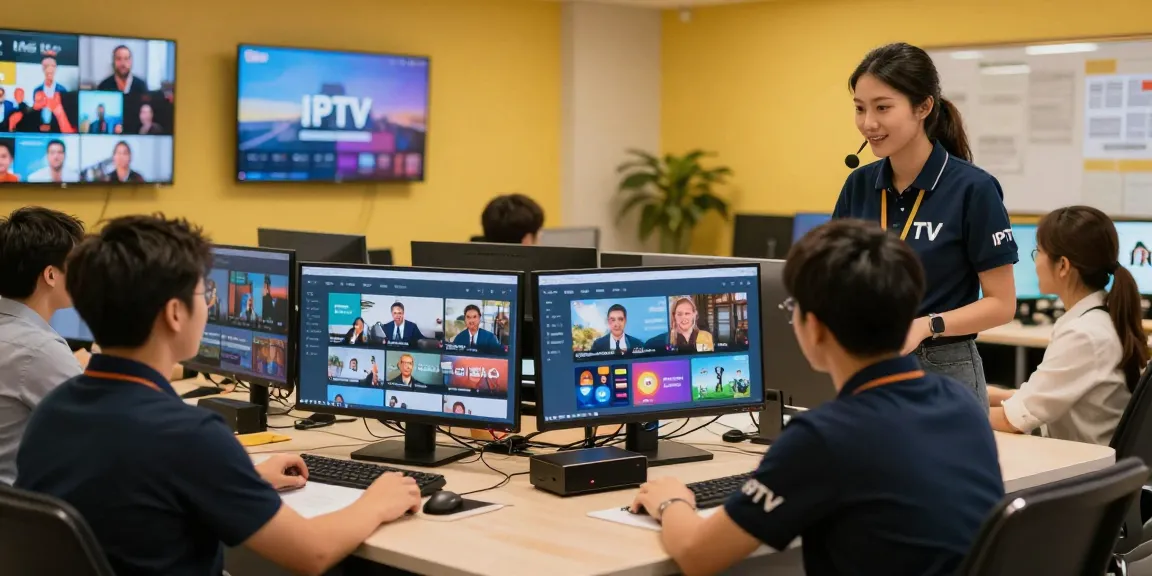

Understanding Modern Workspace Design
In today’s fast-paced business environment, the design of a workspace is more critical than ever. A well-thought-out workspace can significantly influence employee morale, creativity, and productivity levels. As companies adapt to the shifting demands of contemporary work culture, they must prioritize creating an environment that fosters collaboration, innovation, and efficiency. By exploring the aesthetic aspects, technological integration, and the importance of well-being in workplace design, businesses—not only those highlighted on tylelekeo88.me—can effectively enhance their operational efficiency. The importance of workspace design cannot be overstated, as it impacts both the physical and mental well-being of employees.
The Importance of Workspace Aesthetics
Workspace aesthetics refer to the visual appearance of the office environment, influencing how employees feel about their workplace. Color schemes, furniture styles, and overall layout contribute to these aesthetics. Research has shown that aesthetically pleasing environments can improve mood and promote creativity, leading to heightened productivity. For instance, incorporating natural light, plants, and ergonomic furniture can create a more inviting atmosphere. Companies should consider how these aesthetics not only represent their brand but also enhance the employee experience. Additionally, spaces should be designed to allow for personal touches, enabling employees to feel a sense of ownership over their work environment.
How Design Affects Productivity
The design of a workspace can directly affect employee productivity. Traditional offices with closed cubicles often hinder collaboration and make employees feel isolated. In contrast, modern designs often favor open layouts, encouraging communication and teamwork. According to studies, employees in open office spaces report higher levels of collaboration and innovation. However, it’s essential to strike a balance, as excessive noise and distractions can lead to decreased focus. Thus, integrating quiet zones alongside collaborative spaces is critical for maintaining productivity levels while fostering teamwork.
Key Elements of an Innovative Office
Innovative offices go beyond aesthetics; they incorporate several key elements that promote efficiency and well-being:
- Flexible Workspaces: Providing spaces that can be reconfigured for different tasks fosters adaptability and encourages creativity.
- Technology Integration: Advanced tools and technologies enable seamless communication and collaboration, crucial in contemporary work environments.
- Biophilic Design: Integrating elements of nature enhances air quality and reduces stress levels, leading to happier employees.
- Community Spaces: Areas designed for social interaction help build relationships among employees, enhancing team dynamics.
Implementing Technology in the Workplace
The rise of technology in the workplace has reshaped how businesses operate. With a plethora of tools available for enhancing productivity and communication, understanding which technologies to invest in is crucial for success in 2026.
Essential Tech Tools for 2026
As we move into 2026, several tech tools are becoming essential for effective workplace management:
- Project Management Software: Tools like Asana, Trello, or Monday.com streamline project workflows and enhance team collaboration.
- Communication Platforms: Platforms such as Slack or Microsoft Teams facilitate instant communication and file sharing, improving operational efficiency.
- Time Management Tools: Applications that track time spent on tasks can enhance productivity by providing insights into work patterns.
Integrating AI into Daily Operations
Artificial Intelligence (AI) can revolutionize workplace operations. By automating routine tasks, AI tools free employees to focus on strategic work. For instance, AI-driven customer service applications can handle basic inquiries, allowing human staff to tackle complex issues. Furthermore, advanced data analytics can offer insights into employee performance, helping managers make informed decisions about team dynamics and workflow improvements.
Ensuring Cybersecurity in a Digital Workspace
As workplaces become more digitized, ensuring cybersecurity is paramount. With the rise of remote work, businesses must implement robust cybersecurity measures to protect sensitive information. This includes regular software updates, employee education on phishing scams, and using strong passwords. Investing in cybersecurity not only protects company data but also breeds trust among employees and clients.
Fostering Collaboration and Communication
Effective collaboration and communication are vital for a workplace’s success. The strategies and spaces companies invest in can profoundly enhance teamwork and overall productivity.
Creating Open, Collaborative Spaces
Open office layouts encourage interaction and collaboration among team members. These designs should include multi-purpose furniture that can be rearranged for various meetings and brainstorming sessions. Additionally, incorporating spaces specifically designed for collaboration, such as lounge areas or creative session rooms, can enhance the exchange of ideas and foster innovation.
Utilizing Virtual Communication Tools
With remote work becoming more commonplace, utilizing virtual communication tools has become essential. Video conferencing platforms like Zoom or Google Meet provide a way for teams to stay connected regardless of their physical location. Additionally, collaborating tools can offer real-time editing capabilities for documents and presentations, ensuring everyone is on the same page.
Strategies for Team Engagement and Productivity
Engaging employees is crucial for maintaining high productivity levels. Strategies to foster engagement include regular feedback sessions, professional development opportunities, and recognition programs. These initiatives not only motivate employees but also contribute to a positive company culture, leading to lower turnover rates.
Health and Well-being in Work Environments
Health and well-being in the workplace have a direct correlation with employee performance. Companies must prioritize creating environments that support the physical and mental health of their employees.
Importance of Ergonomics and Comfort
Investing in ergonomic furniture is essential to prevent workplace injuries and discomfort. Providing sit-stand desks, adjustable chairs, and keyboard trays can significantly enhance employees’ physical well-being. Furthermore, implementing wellness programs that encourage movement breaks or stretch sessions can boost morale and energy levels throughout the workday.
Incorporating Wellness Programs into Work Culture
Companies that cultivate a wellness-oriented work culture often experience higher employee satisfaction and lower healthcare costs. Wellness programs can include fitness challenges, mental health days, and access to counseling services. By supporting employees’ well-being, businesses are investing in their long-term success.
Balancing Remote and In-office Work
As hybrid work models gain traction, fostering a balance between remote and in-office work is crucial. Establishing guidelines for when employees should be in the office versus working remotely can enhance productivity while maintaining flexibility. Companies can utilize surveys to gauge employee preferences, ensuring that the balance meets the needs of both the organization and the individuals.
Future Trends in Workspace Development
As we look to the future of workspace development, several emerging trends are poised to redefine how we work.
Emerging Designs for the Post-pandemic Office
The COVID-19 pandemic has greatly influenced office design, emphasizing the importance of health and safety. Future office spaces will likely incorporate features like touchless technology, enhanced air filtration systems, and more outdoor spaces. These designs will foster safe environments while promoting employee comfort.
Adaptability and Flexibility in Workspace Planning
Flexibility in workspace design is becoming increasingly important as companies navigate the changing landscape of work. Offices designed with adaptability in mind allow for a quicker response to changes in organizational structure or workforce needs. This flexibility can lead to a more resilient and efficient business model.
Predicting the Future: Trends Beyond 2026
Looking beyond 2026, trends such as AI-driven workspace management and extensive use of virtual reality (VR) for onboarding and training are expected to emerge. For more information, http://tylelekeo88.me/ offers valuable insights. The integration of such technologies can provide immersive experiences that enhance learning and collaboration. Additionally, a continued shift toward sustainability in office design will likely shape future workplaces, with a focus on eco-friendly materials and energy-efficient systems. http://tylelekeo88.me/